

For decades, business travel meant one thing: a flight, a hotel, a meeting room and a return flight home. The city outside the window was incidental and just a backdrop to the real reason for the trip.
That model is changing and Africa is at the centre of the shift.
Regenerative travel asks a simple question: what does this trip leave behind? For leisure travellers, the answer is often about environmental footprint or supporting local communities. For business travellers, the answer is bigger and arguably more consequential. A well-designed business trip doesn’t just consume a destination’s resources; it can strengthen its economy, transfer knowledge and build relationships that outlast the itinerary.
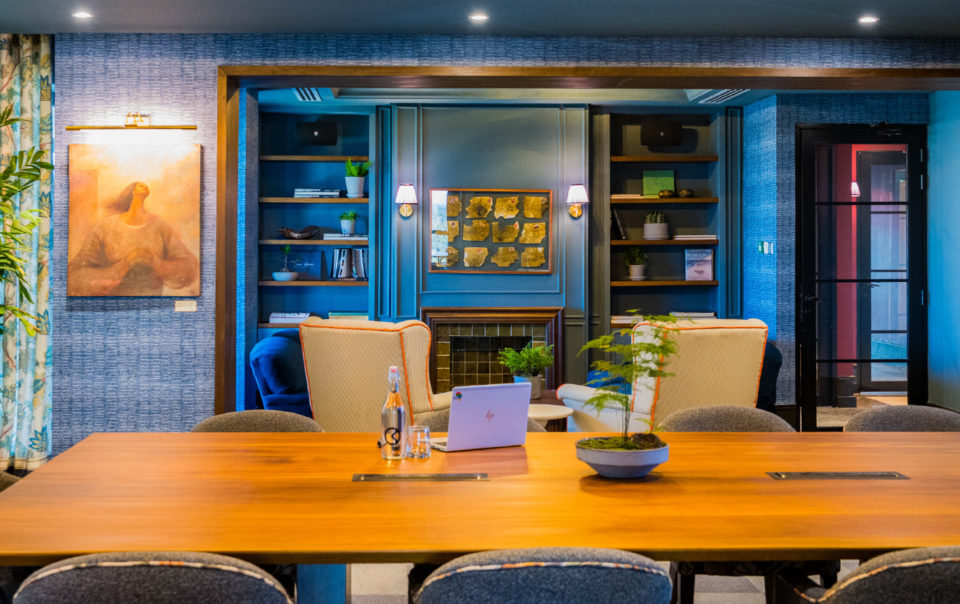
That’s the thinking behind KOFISI Expo City, our newest enterprise hospitality Centre, located in Dubai’s Expo City — an award-winning Green Innovation District built on the site of Expo 2020.
It’s a departure from the traditional model of business travel infrastructure, and it says something about where the industry is heading, both in the UAE and back home in Africa.
Beyond the Meeting Room
Expo City Dubai wasn’t built as a conventional business park. It was designed as a city — walkable, green, and purpose-built around sustainability, from its energy systems to its public spaces.
Choosing to anchor KOFISI’s expansion here wasn’t just about accessing a new market. It was about placing an African-founded hospitality brand inside one of the world’s most ambitious models for what a commercial district can be and using that position to build real connective tissue between the UAE and Africa.
This is where regenerative travel and enterprise hospitality start to overlap. A business traveller who lands in Dubai for a week of meetings at KOFISI Expo City isn’t just occupying a desk. They’re part of a growing flow of commercial relationships, capital and expertise moving between Africa and the Gulf. Relationships that, done well, create value on both ends of the route.
Hospitality as Infrastructure
KOFISI’s model treats the workplace itself as part of this exchange. Rather than a purely functional office floor, our centres are built around hospitality — food, design, wellness, events, and the kind of spaces that encourage people to actually meet each other, not just occupy adjacent desks.
It’s a small but important distinction: infrastructure that facilitates connection tends to generate more value than infrastructure that simply houses people.
For African businesses expanding into the Gulf, or Gulf businesses looking toward Africa, that connective function matters. A shared, high-quality base in a city like Dubai lowers the barrier to doing business across the region and every relationship formed there has the potential to translate into investment, partnerships, or knowledge that flows back into African markets.
A New Kind of Destination
The old idea of a business trip where it is to get in, get the meeting done, get out — undersells what travel for work can actually do. When the space itself is designed to bring people together and when it sits inside a district built around genuine sustainability principles, the trip becomes something closer to what regenerative travel asks of leisure tourism: an exchange that leaves both sides better off.
KOFISI Expo City is one example of what that looks like in practice. But it points to a broader shift already underway across the continent and its trading partners: business travel is no longer just about reaching a destination. It’s about what gets built economically, relationally and sustainably while you’re there.
The office, in other words, is no longer just the destination. It’s becoming part of the journey.
Email sales@kofisi.com for office space in Dubai.
bespoke officeBest Workspace OperatorBusiness Travel Dubaiflexible office spacefuture of workhospitality-led coworkingKOFISI DubaiKOFISI Expo CityKOFISI office spacesOffice Space Dubaipremium workspaceshared workspacesWorkspaces UAE