
Beyond Function – What the Feminine Lens Can Teach Us About Workplace Design
June 16, 2026
As seen on Nomad Africa Travel & Magazine, 51st Edition – The Feminine Lens
For generations, workplaces were designed around a simple premise: to maximise efficiency. Floorplates were optimised, hierarchies were reinforced and success was measured by productivity alone. Yet as the nature of work has evolved, so too has our understanding of what makes a workplace truly successful.
Today, the most effective workplaces are not simply places where people work. They are places where people connect, create and collaborate
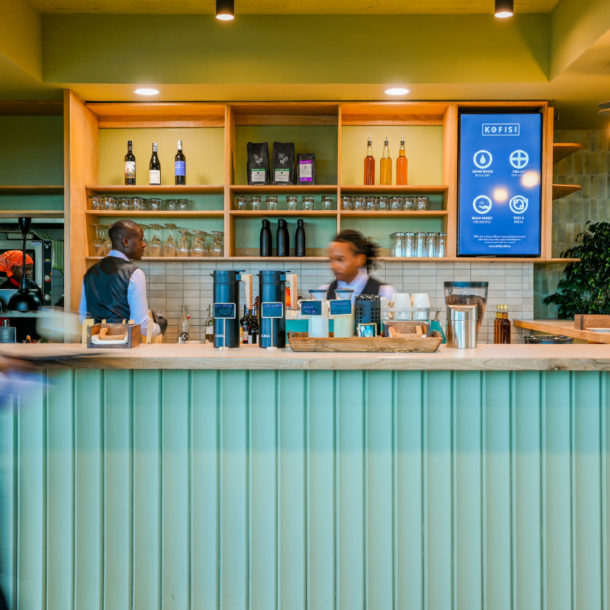
At KOFISI Casa Anfa in Casablanca, we approached workplace design through a different lens—one that values human experience as highly as operational performance. Led by two female designers, the project sought to move beyond function to create an environment that balances productivity with hospitality, wellbeing, culture and community.
The idea of a “feminine lens” in design is not about designing specifically for women. Rather, it reflects a broader way of thinking about space—one that prioritises empathy, flexibility, comfort, emotional connection and how people actually experience their surroundings. It recognises that productivity is often the outcome of great design, rather than the sole objective.
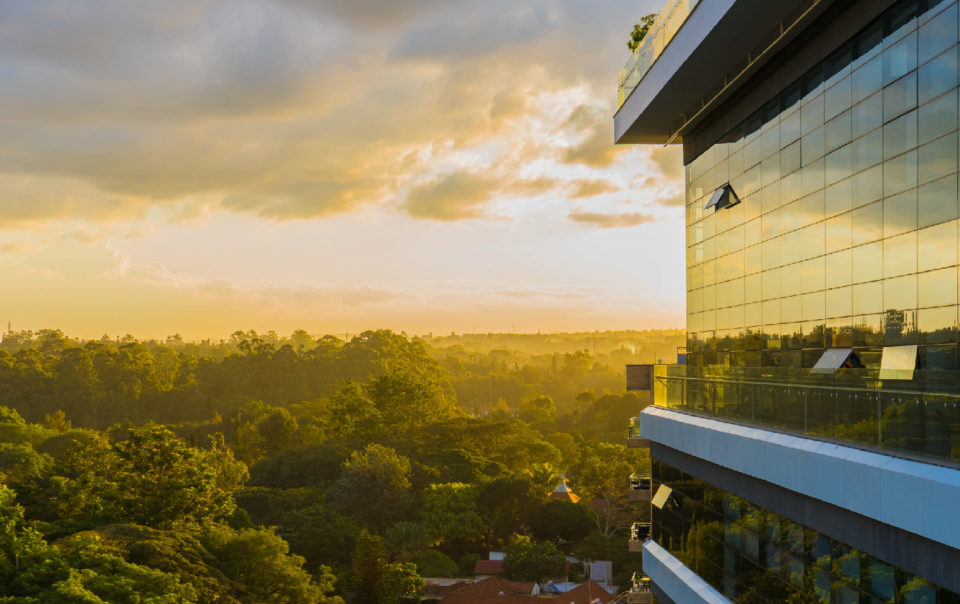
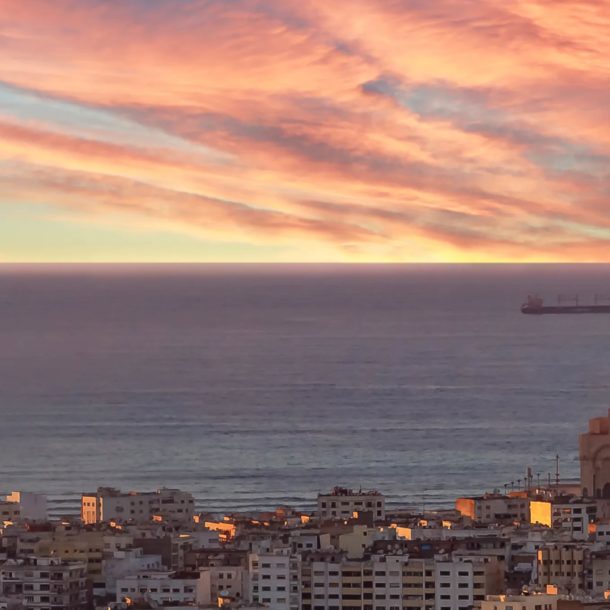
Located within Casablanca’s thriving business district, Casa Anfa was conceived as a premium flexible workplace inspired by Morocco’s rich architectural and cultural heritage. The design draws upon traditional craftsmanship and the city’s Art Deco legacy, reinterpreted through a contemporary hospitality-led workplace model.
Throughout the space, soft architectural arches, layered drapery, handcrafted tiles, hammered copper detailing, locally woven rugs, and curated Moroccan artwork create a sensory richness more commonly associated with boutique hotels than conventional offices. Every piece of furniture was custom designed and manufactured locally, supporting Moroccan artisans while ensuring the space felt authentic to its context.
What makes Casa Anfa distinctive is not simply how it looks, but how it feels. Informal meeting spaces were designed to support both productive collaboration and traditional Moroccan afternoon tea rituals. Drapery provides privacy without creating barriers. Lounge spaces flow naturally onto an outdoor terrace planted with climate-responsive greenery, encouraging moments of pause, reflection and social connection throughout the day.
These design decisions reflect a belief that workplaces should accommodate the full spectrum of human experience. Focus and collaboration. Energy and calm. Professionalism and hospitality. Work and wellbeing.
The project also demonstrates how KOFISI designers have used cultural identity to strengthen contemporary workplace design. Rather than importing a generic international office aesthetic, Casa Anfa celebrates local materials, traditional craft techniques and regional design influences. Tadelakt plaster from Marrakech, handcrafted Zellige and Bejmat tilework from Fez, handwoven Berber rugs, Tamegroute pottery, and hammered copper detailing all contribute to a workplace that feels unmistakably Moroccan while remaining globally relevant.
In many ways, the feminine lens offers a valuable lesson for the future of workplace design. As organisations increasingly compete for talent, culture, and engagement, success will depend less on how many desks can fit within a floorplate and more on how people feel when they arrive.
At KOFISI Casa Anfa, function remains essential. But the layers of hospitality, cultural authenticity, craftsmanship and human-centred design transform the workplace into something more meaningful: a destination where people genuinely want to spend their time.
Contact sales@kofisi.africa for desk and office space at KOFISI Casa Anfa.
Art Deco office designCasablanca workplace designcollaborative workspace designcontemporary Moroccan interior designcoworking space Casablancaculture and workplace designdesign-led coworking spacedesk space Casablancafemale-led design teamfeminine lens workplace designflexible workspace Casablanca business districtfuture of office designhospitality inspired coworkinghospitality-led workplace designhuman-centred workplace designkofisi africaKOFISI Casa AnfaKOFISI Moroccolocally made office furniture MoroccoMoroccan craftsmanship workspaceMorocco architectural heritage designoffice space rental Casablancapremium flexible workspace Moroccopremium office space Casablancaproductivity and wellbeing workplacesensory design workplaceserviced office Casablancasustainable local craftsmanship officeworkplace design Africaworkplace design philosophyworkplace design trends 2026workplace experience designworkplace wellbeing design